
Introduction
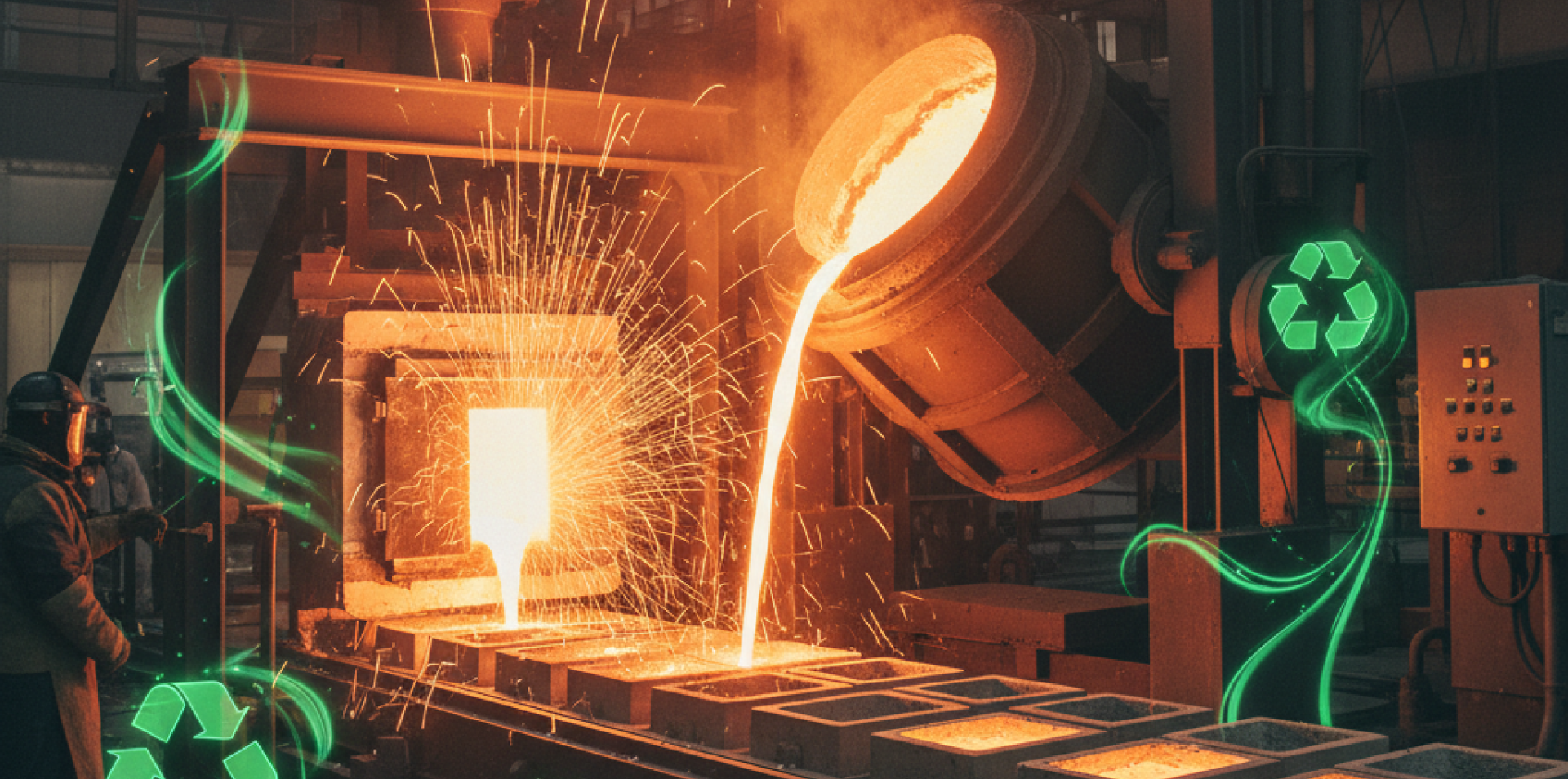
Aluminum production and recycling are energy-intensive processes that can significantly impact the environment. However, with advancements in furnace technology, automation, and heat recovery systems, the aluminum industry is becoming more energy-efficient. This blog will explore how manufacturers can reduce both costs and environmental impact through energy-efficient aluminum processing techniques.
The Need for Energy Efficiency in Aluminum Processing
Aluminum recycling accounts for a significant portion of global energy consumption. The melting of aluminum scrap in furnaces requires large amounts of energy, which translates into high operational costs and environmental pollution. Energy-efficient practices not only help reduce costs but also decrease the facility’s carbon footprint, aligning with global sustainability goals.
Energy-Efficient Technologies in Aluminum Recycling
Induction Furnaces
Induction furnaces are among the most energy-efficient melting systems available. They use electromagnetic induction to heat aluminum scrap, resulting in minimal energy loss. The process is faster than conventional methods, requiring less time to reach the desired temperature.
Benefits:
- o Reduced fuel consumption
- o Less heat loss, resulting in faster melting
- o Higher yield of aluminum ingots
Regenerative Burners and Heat Recovery Systems
In reverberatory furnaces, regenerative burners are used to capture waste heat from the exhaust gases and reintroduce it into the system to preheat the combustion air. Heat recovery systems can also capture and reuse excess heat, which helps reduce the need for additional fuel.
Benefits:
- o Significantly reduces energy consumption
- o Minimizes greenhouse gas emissions
- o Lowers operating costs
High-Efficiency Motors and Automation
Automation systems, including robotic arms and automated material handling, optimize the use of energy by reducing human error and improving the efficiency of production lines. High-efficiency motors are also being used to reduce energy consumption in auxiliary equipment such as conveyors and pumps.
Benefits:
- o Higher precision in operations
- o Reduced downtime and energy waste
- o Better monitoring and control of energy usage
Electrification of Furnace Systems
Some modern aluminum plants are moving away from fossil fuel-based furnaces to electric arc furnaces. These electric systems use electricity as the primary energy source, which can be sourced from renewable energy grids, making them more sustainable than traditional gas-based systems.
Benefits:
- o Lower emissions compared to fossil fuels
- o Potential to integrate renewable energy sources
- o Reduced dependence on oil and natural gas
The Environmental Impact of Energy-Efficient Processing
By adopting energy-efficient technologies, aluminum processors can significantly reduce their carbon footprint. The aluminum industry is one of the most energy-intensive sectors globally, so making strides toward energy efficiency has a profound impact on environmental conservation.
Conclusion
Energy-efficient aluminum processing is not just about cutting costs—it’s about building a more sustainable industry for the future. By investing in advanced furnace technologies, heat recovery systems, and automation, manufacturers can reduce their environmental impact while maintaining profitability.

2 Comments
WealCoder
November 4, 20244:02 am
Over the past three years, marketers have faced an arduous journey due to the rapid shifts in consumer sentiment and the rising costs associated….
WealCoder
December 29, 20248:04 am
hello