
Introduction
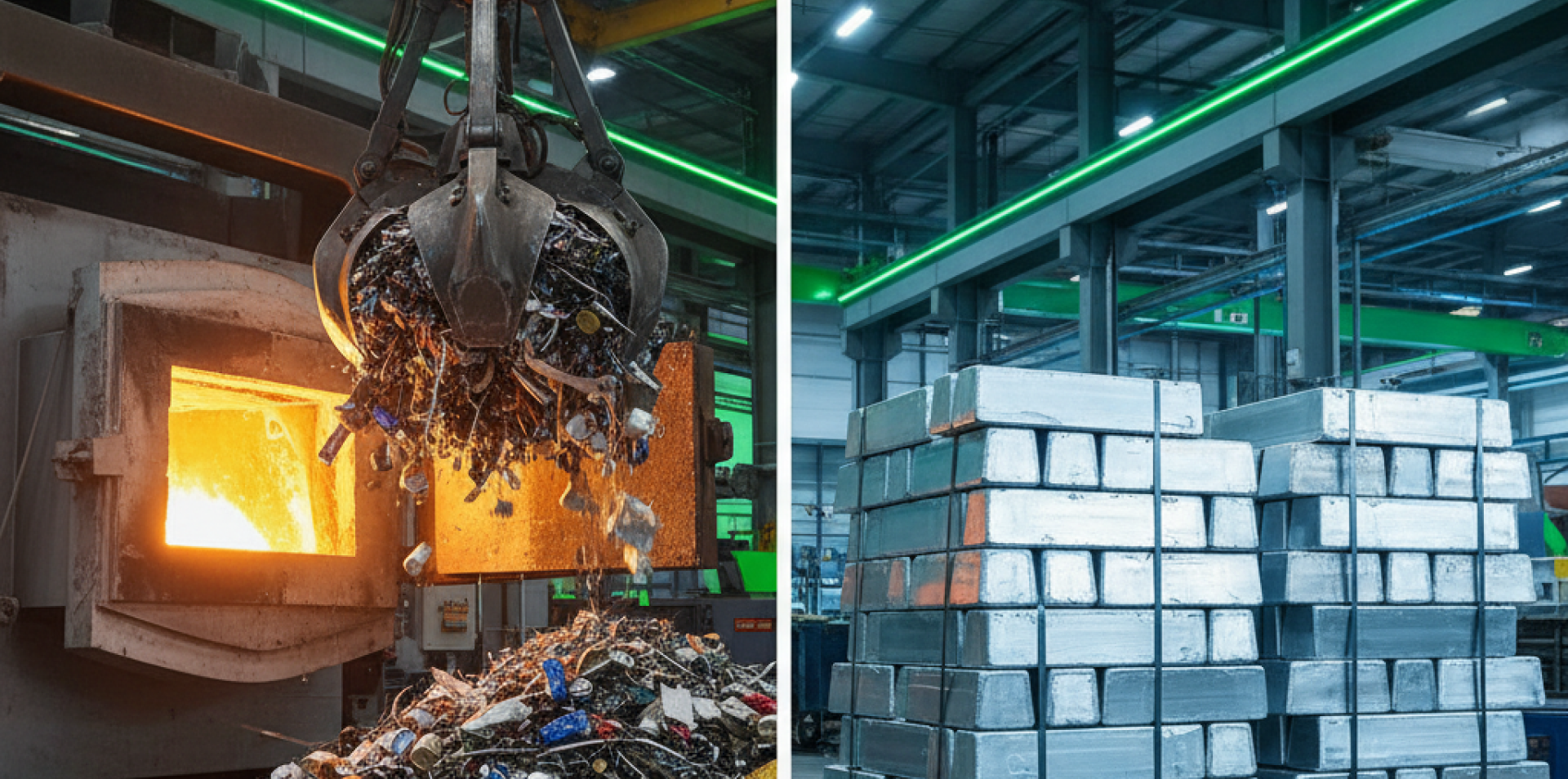
Aluminum recycling is one of the most important processes in the metal industry. When aluminum scrap enters a processing facility, it undergoes a series of complex steps that ultimately transform it into valuable aluminum ingots. This process not only helps reduce the environmental impact but also provides industries with a cost-effective supply of aluminum. In this blog, we’ll take you through the detailed process of turning aluminum scrap into ingots.
Step-by-Step Guide to Aluminum Ingot Production
Collection and Sorting of Scrap Aluminum
The first step in the recycling process is collecting aluminum scrap. Scrap can come from various sources such as post-consumer products (e.g., cans, foil), industrial waste (e.g., automotive parts, construction materials), or obsolete products. The scrap is then sorted by type and cleaned to remove any non-aluminum materials like steel, plastic, or dirt.
Key Considerations:
- o Ensuring scrap is free from contaminants is critical to the quality of the final ingot.
- o Sorting can be done manually or by using automated systems such as magnetic separators for ferrous metals.
Pre-Treatment and Shredding
Once sorted, the scrap aluminum may undergo a pre-treatment process. This step can involve shredding larger pieces of aluminum into smaller fragments to facilitate faster melting. Some facilities also remove coatings or paints from scrap aluminum, which can otherwise interfere with the melting process.
Techniques Used:
- o Shredding
- o De-coating using thermal or chemical treatments
Melting the Scrap
The shredded and treated scrap is loaded into a furnace, where it is melted at temperatures around 660°C. The type of furnace used (induction, rotary, or reverberatory) can influence the speed and efficiency of the melting process. As the aluminum scrap melts, any impurities float to the top and can be skimmed off.
Key Points:
- o Energy efficiency is crucial during this stage to minimize costs.
- o In some cases, fluxing agents are added to help remove impurities like oxides and other metals.
Refining the Molten Aluminum
After the scrap is melted, it undergoes a refining process to improve its quality. This involves removing any remaining impurities that could affect the metal’s properties. Fluxing agents are commonly used to separate unwanted elements from the molten metal.
Refining Methods:
- o Fluxing to remove non-metallic impurities
- o Degassing to remove hydrogen and prevent porosity in the ingot
Casting the Molten Aluminum into Ingots
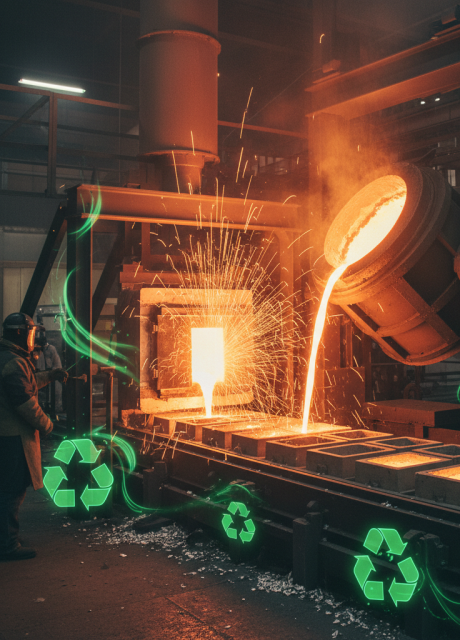
Once the aluminum is refined, it is poured into molds to create ingots. The molds are usually made of steel and can vary in size depending on the requirements of the end-users. The ingots are typically cooled either by air or water, depending on the desired cooling rate.
Casting Considerations:
- o Cooling rate affects the hardness and structure of the ingot.
- o Some facilities use automated systems to pour the molten aluminum to ensure precision.
Cooling and Solidification
The ingots are allowed to cool at a controlled rate. Slow cooling allows the aluminum to solidify evenly, which reduces the chances of cracks or defects in the ingot. After solidification, the ingots are removed from the molds.
Inspection, Measurement, and Packaging
The final step involves inspecting the aluminum ingots for any defects, measuring their weight, and packaging them for shipment. Quality control is essential at this stage to ensure the ingots meet industry standards.
Quality Checks:
- o Visual inspection for cracks or defects.
- o Measuring weight and size for consistency.
Conclusion
The journey from aluminum scrap to aluminum ingot is a fascinating and highly controlled process that ensures the production of high-quality products. By adhering to strict processes in sorting, melting, and casting, manufacturers can ensure that the final ingots are suitable for a wide range of applications.

2 Comments
WealCoder
November 4, 20244:02 am
Over the past three years, marketers have faced an arduous journey due to the rapid shifts in consumer sentiment and the rising costs associated….
WealCoder
December 29, 20248:04 am
hello