
Introduction
Copper is one of the most sought-after metals in the world. It’s known for its excellent electrical conductivity, corrosion resistance, and versatility. As a key player in electronics, construction, and various other industries, copper is continuously in demand. In this blog post, we’ll explore the importance of recycling copper scrap, the process of converting it into ingots, and how businesses like ours contribute to sustainability and resource conservation.
The Importance of Copper in Today's Economy
Copper is integral to several industries, including:
Electrical
Used in wiring, transformers, and circuit boards due to its excellent conductivity.
Construction
Utilized for plumbing, roofing, and building facades.
Transportation
Essential in electric vehicles, aircraft, and automotive components.
Given its widespread use, copper is often recycled to meet the growing demand for this valuable metal.
What is Copper Scrap?
Copper scrap refers to any unused or waste copper material generated from production, discarded items, or products that are no longer functional. These materials are often categorized into two types:
Clean Copper Scrap
This includes copper wiring, pipes, or components that have little to no contamination from other metals.
Mixed Copper Scrap
Copper waste mixed with other metals, such as steel or aluminum, which may require additional processing to separate and purify the copper.
The Copper Recycling Process
Recycling copper scrap involves several stages:
Collection
Copper scrap is gathered from various sources like old electrical appliances, industrial machinery, construction sites, and more.
Sorting and Cleaning
The scrap is sorted based on its purity and cleanliness. Any contaminants, such as plastic coatings or other metals, are removed.
Shredding
The scrap is then shredded into small pieces to facilitate the melting process.
Melting and Refining
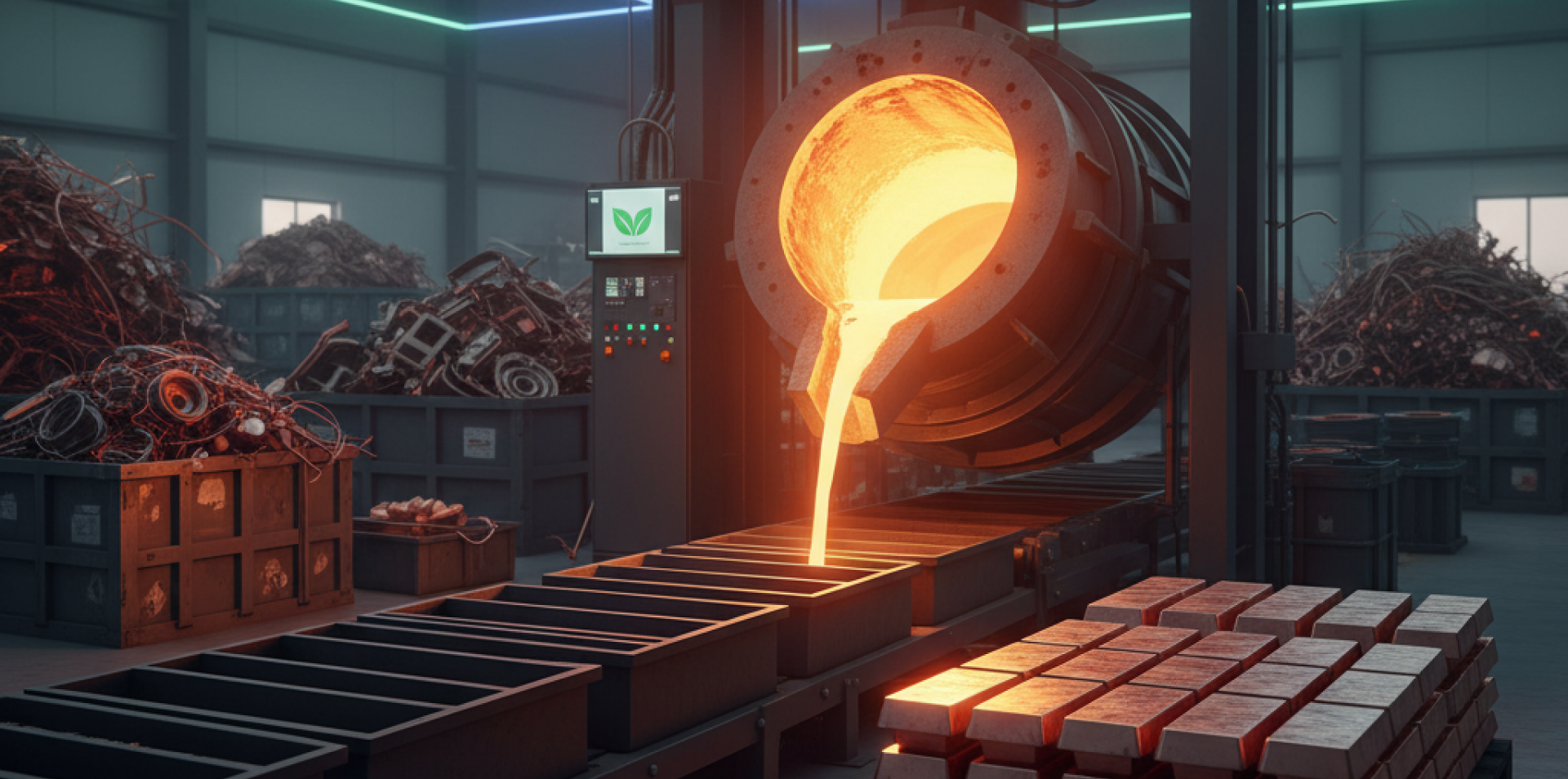
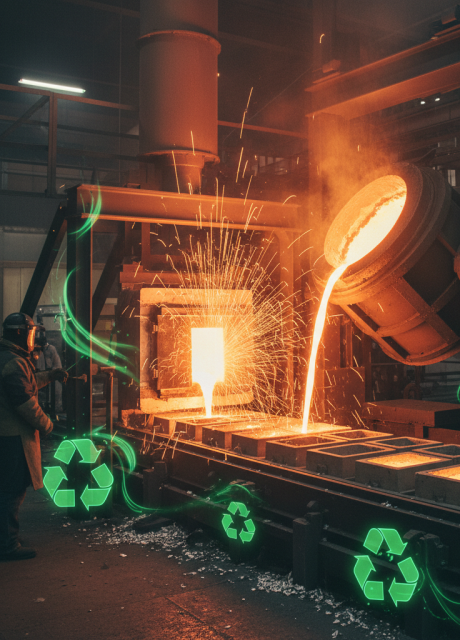
The shredded copper scrap is melted in a furnace, where impurities are separated, and the copper is refined to a high degree of purity.
Casting into Ingots
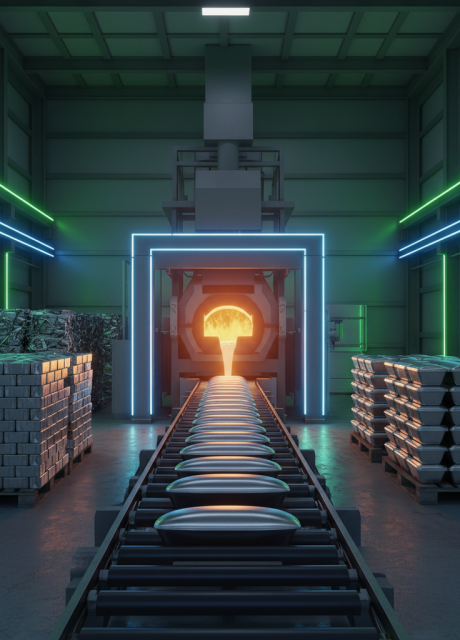
After the refining process, the molten copper is poured into molds and allowed to cool, solidifying into ingots that are easy to transport and store.
Packaging and Distribution
The copper ingots are packaged and distributed to manufacturers and industries that need them for further processing or use.
Benefits of Copper Recycling
Recycling copper offers several key benefits:
Environmental Impact
Copper recycling reduces the need for mining, which can be harmful to the environment. It also reduces energy consumption, as recycling copper uses less energy compared to extracting new copper.
Economic Value
Recycled copper is less expensive to produce, making it a cost-effective alternative for manufacturers. Moreover, the growing demand for copper in various industries ensures a steady market for recycled copper.
Sustainability
By recycling copper, we help conserve natural resources, ensuring that future generations have access to this valuable metal.
How Our Company Contributes to the Copper Supply Chain
As a company involved in scrap processing, we play an essential role in the copper supply chain. Our focus is on providing high-quality copper ingots that meet industry standards. By sourcing and processing scrap, we contribute to reducing waste and ensuring that copper can be reused multiple times without loss of quality.
Conclusion
Copper is a metal of great importance, and recycling it through processes like ingot production helps ensure sustainability while meeting the increasing demand across various industries. By choosing to recycle copper scrap, we not only contribute to the economy but also play a key part in reducing environmental harm.
2 Comments
WealCoder
November 4, 20244:02 am
Over the past three years, marketers have faced an arduous journey due to the rapid shifts in consumer sentiment and the rising costs associated….
WealCoder
December 29, 20248:04 am
hello